
2023/4
This project focused on redesigning the Premium Store for Shardbound, working closely with product and engineering to define the structure, requirements, and constraints of an in-game storefront. Through research and analysis of player behavior, it became clear that the existing approach would not scale. The store needed to support frequently changing content, promotions, and offers, which led to an early focus on modularity and flexibility.
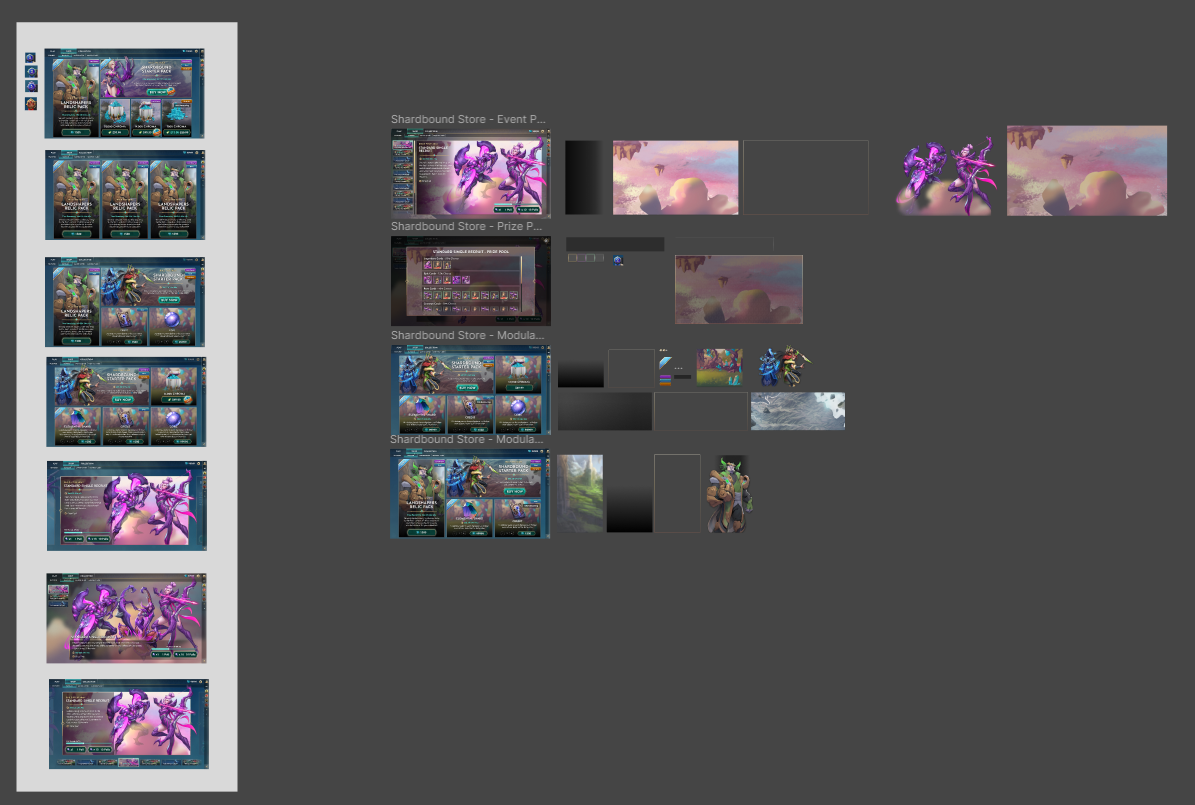
The design evolved alongside the game as new cards, cosmetics, bundles, and events were introduced. Rather than relying on static layouts, the store was built as a modular system that could adapt to different content types while remaining consistent with the game’s visual identity. Each iteration refined both the presentation and the flow, ensuring offers were clear, discoverable, and easy to navigate without overwhelming players.
The final design provided a scalable foundation for the Premium Store, allowing the team to surface new content quickly and respond to live-ops needs. By balancing clarity, visual cohesion, and flexibility, the store supported ongoing monetisation efforts while fitting naturally within the broader Shardbound experience.
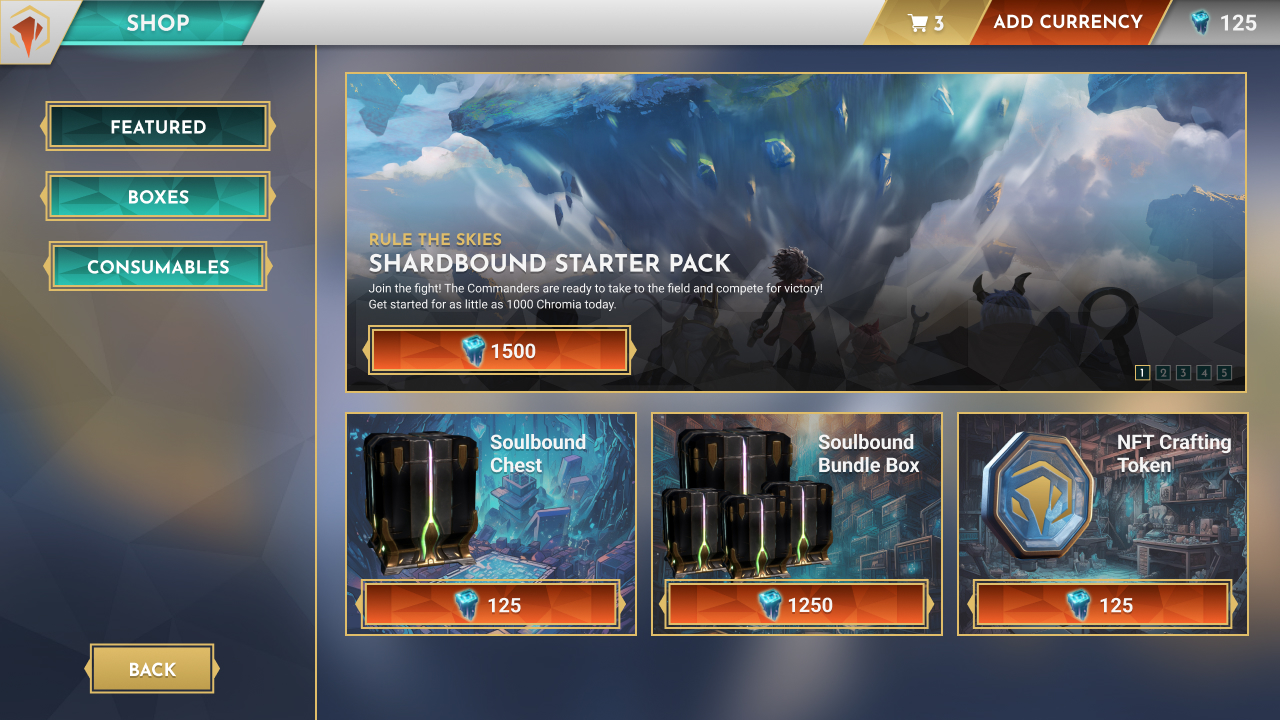
I worked closely with the team to research in-game store patterns across a range of genres, looking at both direct competitors and adjacent games to understand how different storefronts handled discoverability, value communication, and purchase flow. This research helped identify which patterns players were already familiar with, as well as where Shardbound could differentiate through clarity and modularity rather than volume.
From there, we facilitated workshops with product and engineering to define the role of the store within the broader player journey. These sessions focused on how different content types such as individual items, bundles, limited time offers, and event based promotions should be surfaced, and what information players needed at each step to feel confident making a purchase. This alignment ensured the system supported both player trust and live operations requirements.
Using the outcomes of this work, I created wireframes and UI designs for a modular store layout that could adapt to changing content without sacrificing readability or cohesion. Components were designed to be flexible and reusable, allowing offers to be added, reordered, or swapped without requiring layout redesign. I partnered closely with engineering to ensure the system was feasible to implement and could scale over time.
Once the store was implemented, we ran internal playtests to validate assumptions and identify friction around navigation, pricing clarity, and content hierarchy. We then released the store to a limited group of players, using feedback from this early rollout to inform further iteration before broader exposure.
Feedback from testing surfaced key insights around how players scanned the store, what drew their attention first, and where value or intent was unclear. In response, we refined component hierarchy, adjusted visual emphasis, and clarified pricing and contents within each module to better support decision making.
As testing continued, the modular structure proved especially valuable. We were able to iterate on individual components without disrupting the overall layout, allowing rapid refinement as new offers and promotions were introduced.
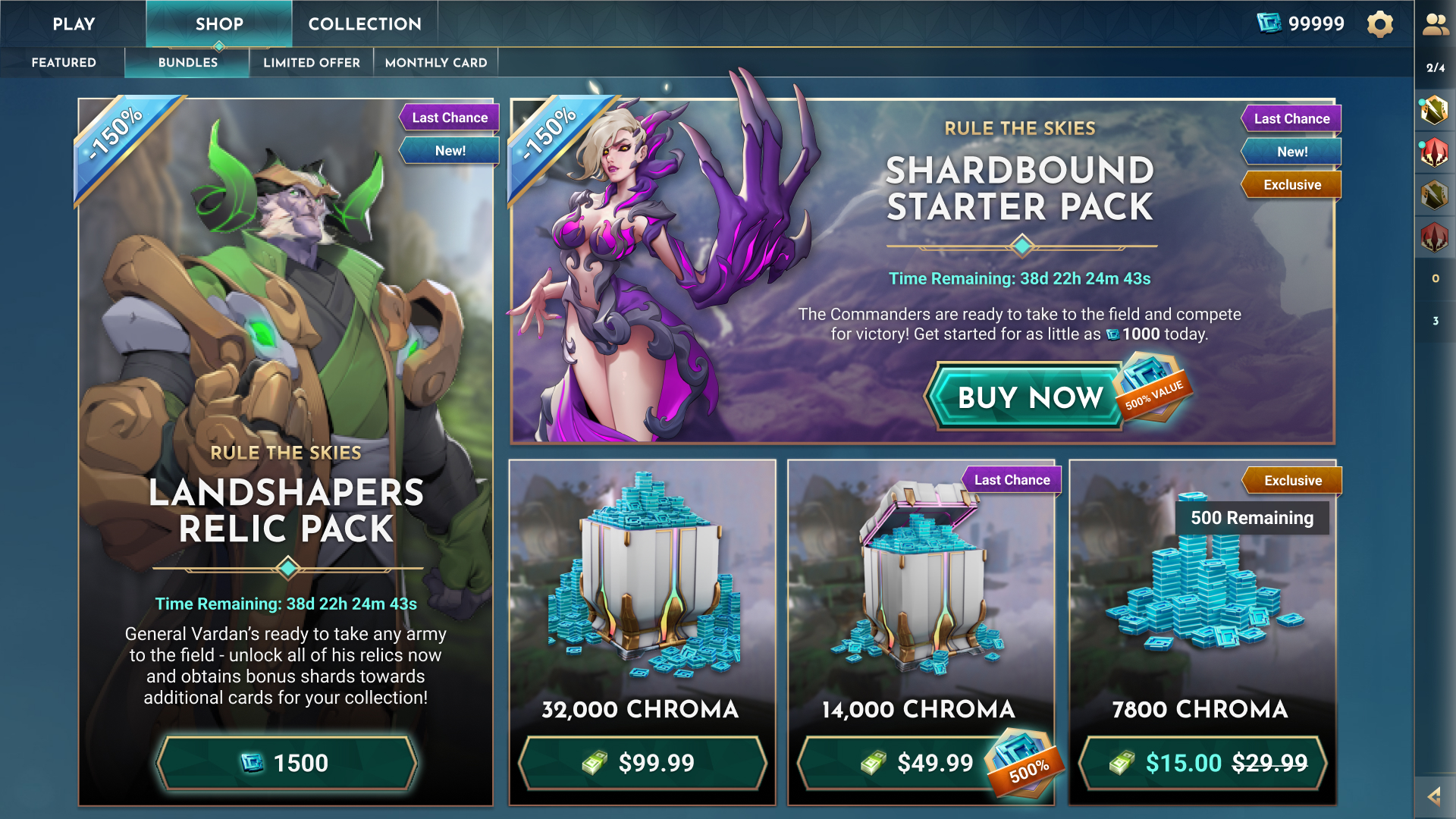
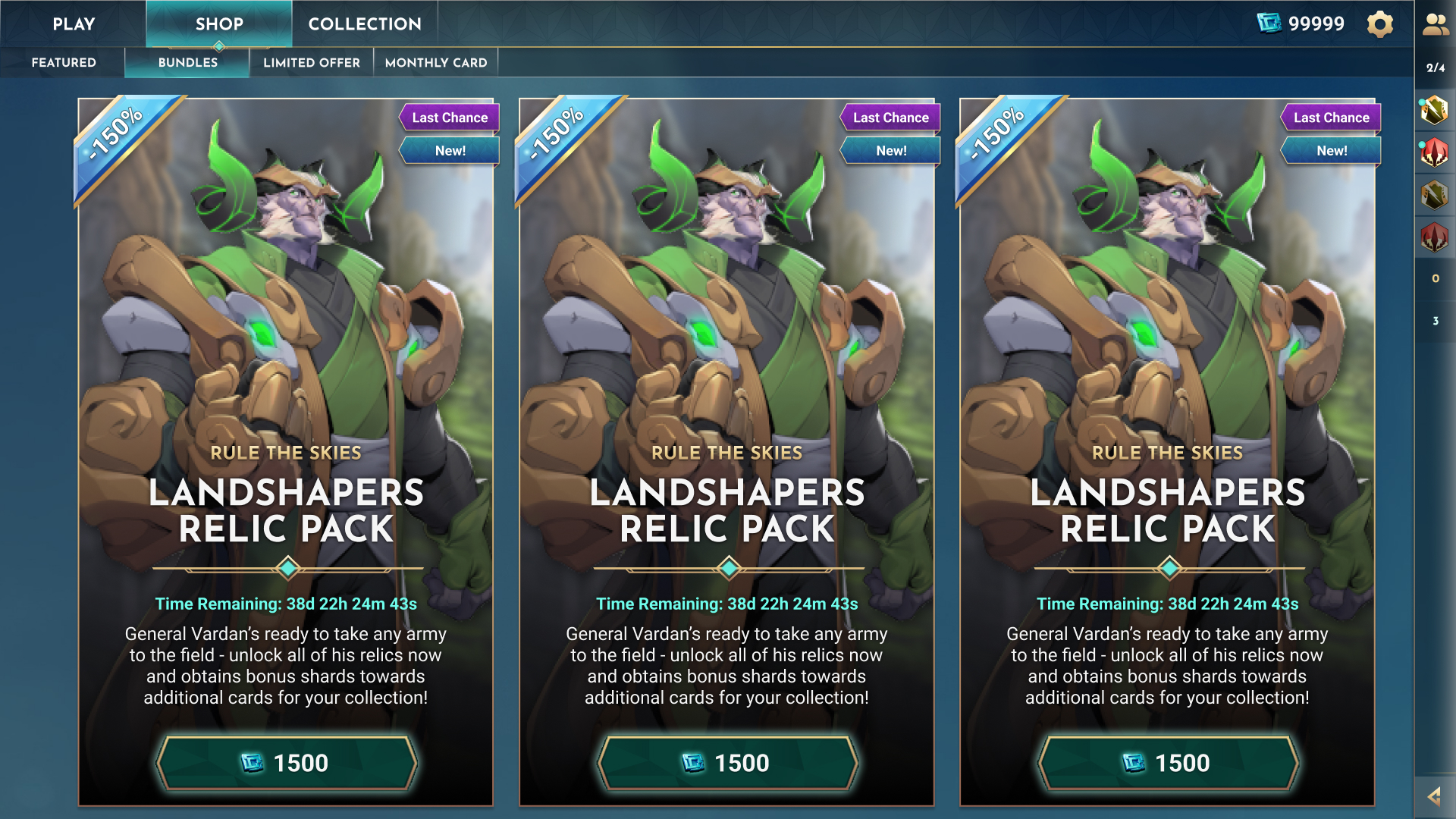
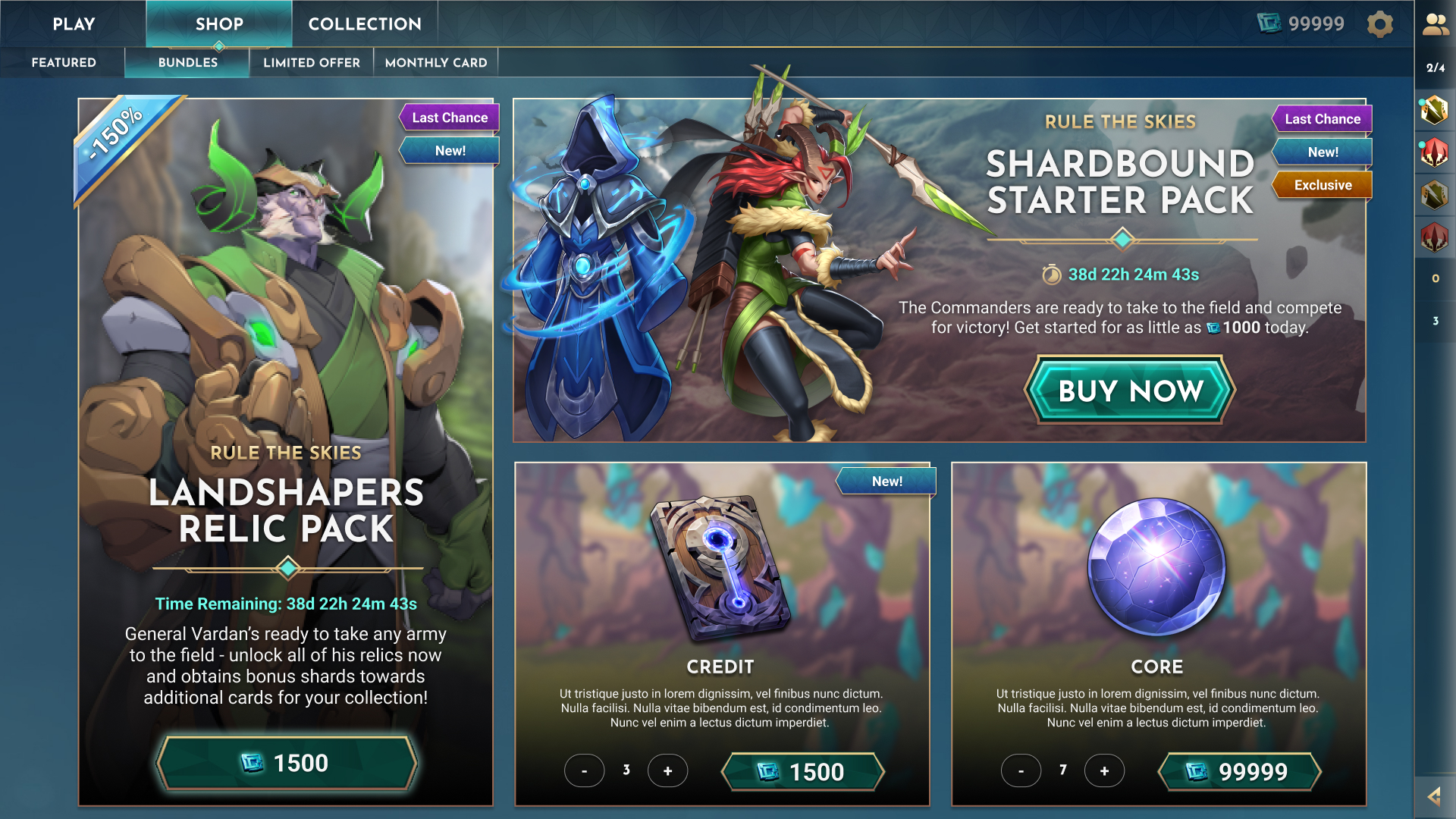
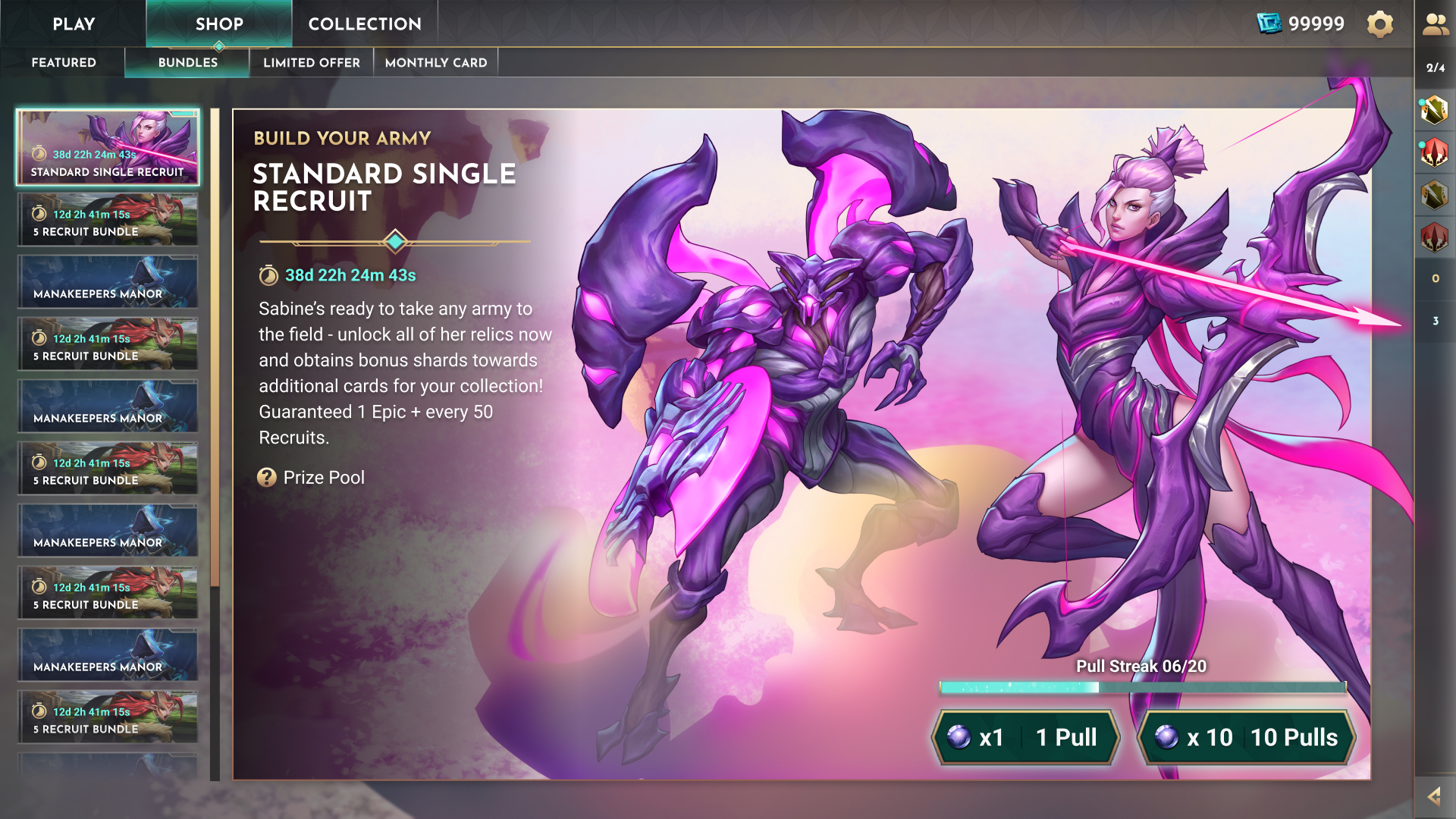
Midway through the project, the art director delivered updated character and card assets, which significantly elevated the visual impact of the store. Because the underlying layout had already been designed as a modular system, integrating the new artwork was straightforward. This allowed faction packs, event packs, and starter bundles to be promoted more effectively, adding visual clarity and appeal to featured offers without requiring structural changes.
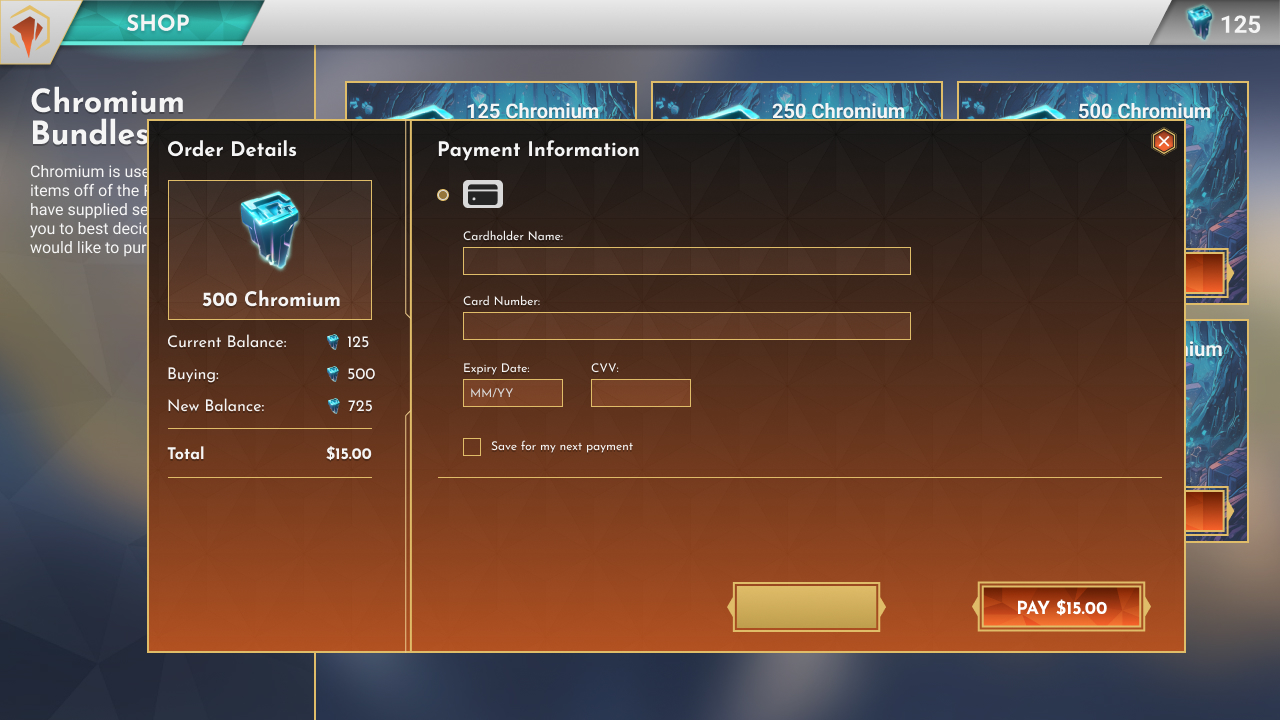
As additional currencies were introduced over time, the early design decisions proved valuable. The store was able to accommodate new currency types naturally, without disrupting existing flows. We also surfaced player currency balances directly within the top navigation, making it easier for players to understand what they could afford and when they needed to earn or purchase additional currency.
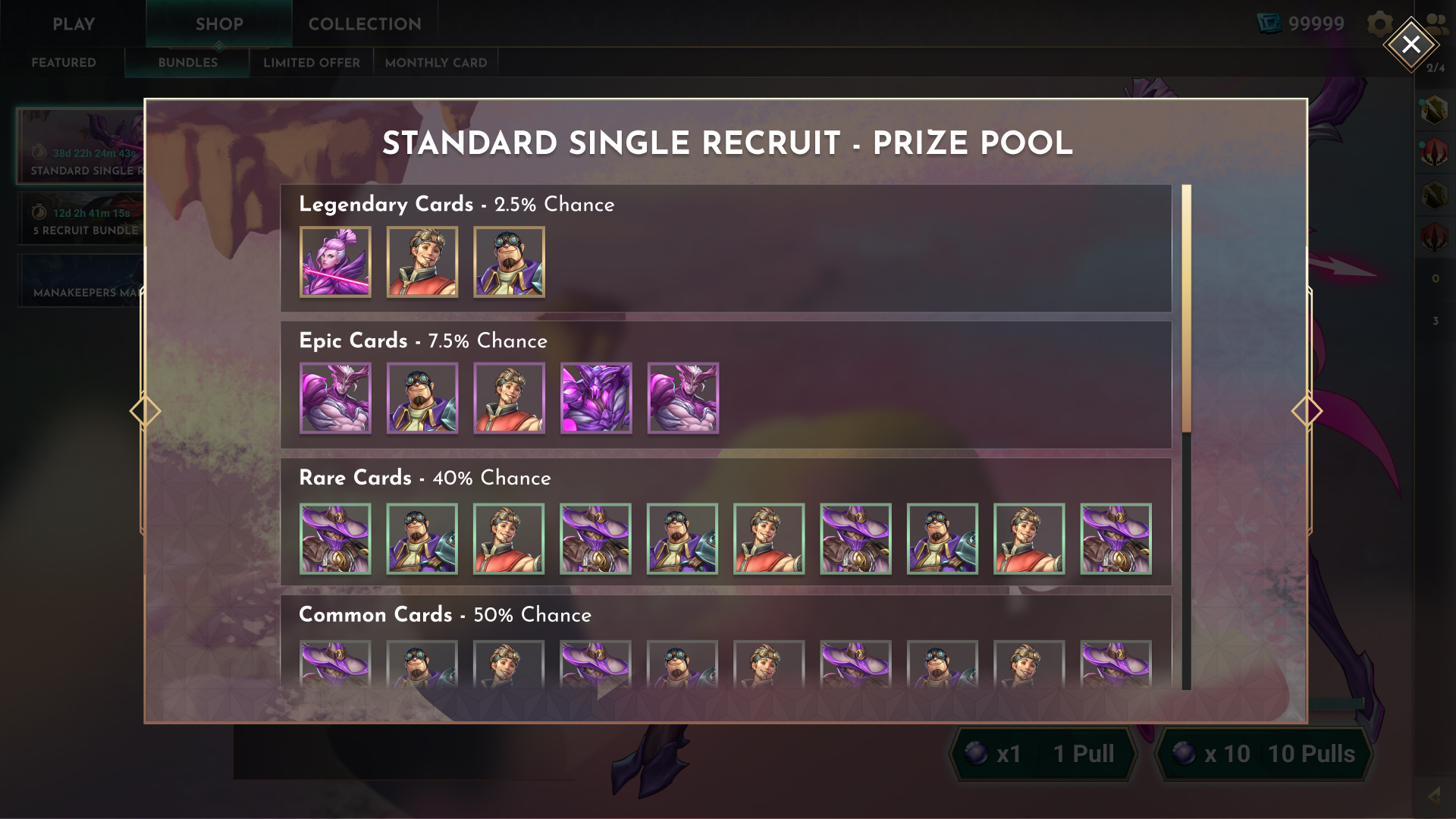
The modular system also enabled more targeted offerings. The store could surface new cards, rare cards, and specific items players were likely to seek, supporting the monetisation team’s goals while remaining consistent with a free-to-play experience and player expectations.
The store designs remain in use years later, demonstrating the long-term value of the modular approach. The system has continued to scale with new content, currencies, and promotions, validating the original design decisions and the focus on flexibility and future-proofing.
I'm currently looking for freelance or Inhouse opportunities, my inbox is always open or alternatively can be contacted on Linkedin or Artstation. Whether for a potential project or just to say hi, I'll try my best to answer your message!