
2022
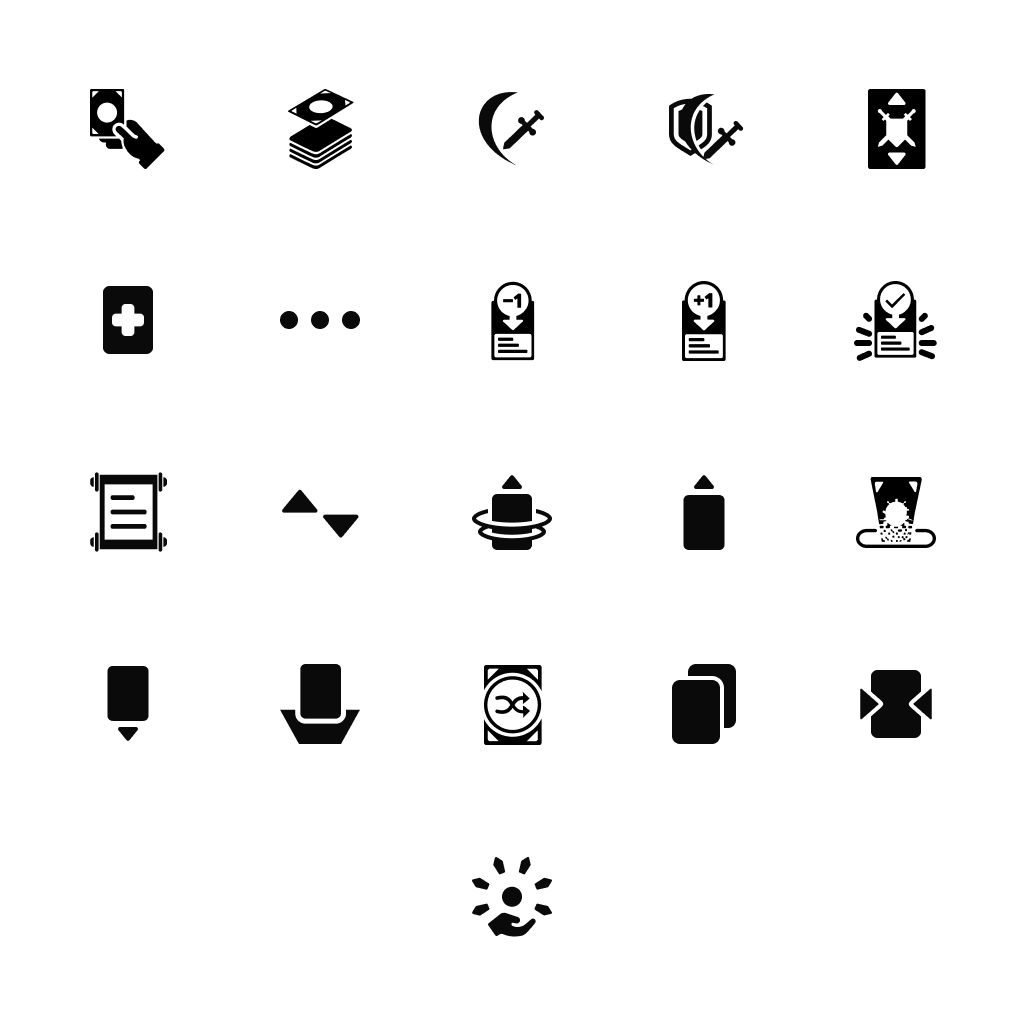
This project focused on designing and validating the iconography and layout for the combat log, working closely alongside another UX designer. The goal was to ensure players could quickly understand what had happened in previous turns and use that information to adjust their strategy mid-match.
The combat log played a critical role in gameplay. Being able to read and interpret actions from several rounds back gave players the context they needed to make informed decisions and react effectively, particularly in longer or more complex matches.
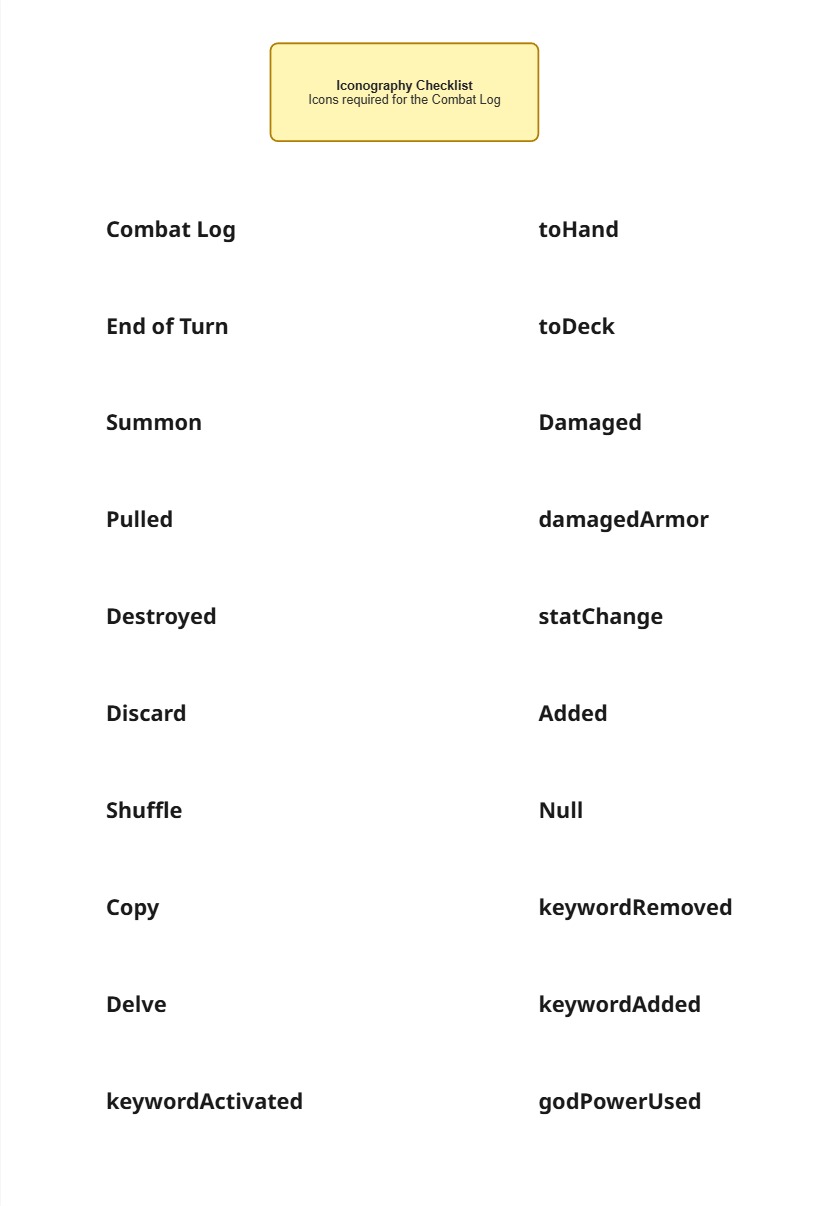
User testing was central to this work. Given the wide range of card types, effects, and combinations in the game, the system relied heavily on iconography to communicate outcomes at a glance. Icons needed to be immediately recognisable and unambiguous, allowing players to reconstruct what had happened without additional explanation.
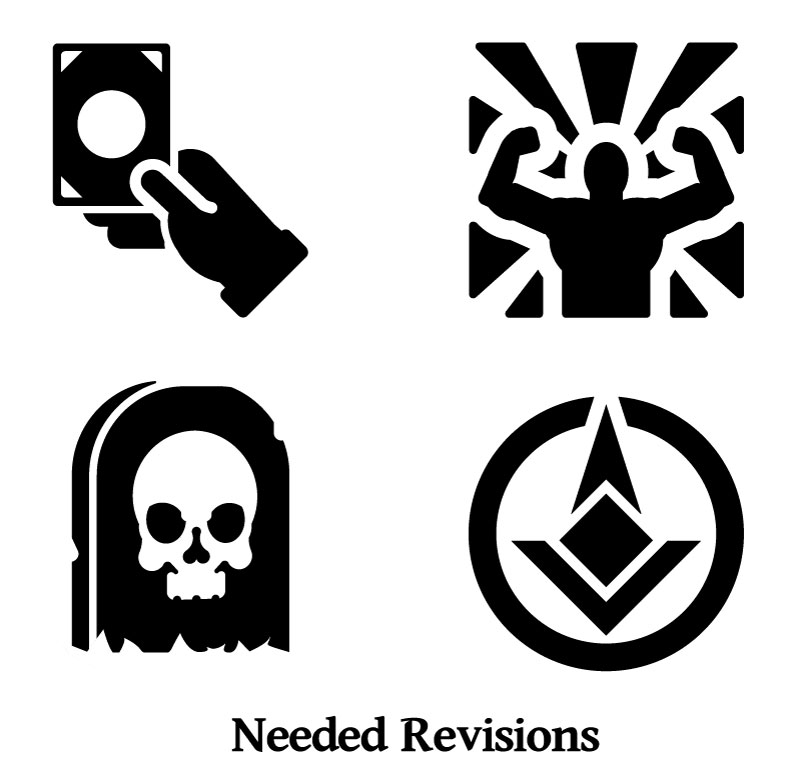
We collaborated closely throughout the process. I focused on creating and iterating on icon designs, while together we ran structured user tests where players were shown individual icons, asked to describe their first impressions, and then quizzed on what they believed each icon represented. We used these responses to identify mismatches between intended meaning and player interpretation, refining the icons until recognition and understanding aligned.
The result was a clearer, more readable combat log that supported strategic decision-making and reduced cognitive load during play.

Designing the combat log iconography was a deliberately iterative exercise. Once an initial set of icons was created, we tested early assumptions by asking other designers and colleagues to interpret their meaning. The results closely mirrored what we later saw with player testing. Some icons were immediately understood, while others produced a wide range of interpretations, in some cases more than ten different guesses for a single icon.
These findings helped recalibrate our expectations. Aiming for universal recognition across every icon proved unrealistic given the number of possible actions and overlapping mechanics. In several cases, different icons were being interpreted as the same action, highlighting the need for stronger visual differentiation rather than further abstraction.
Through targeted iteration, recognition rates improved significantly. Several icons reached near-unanimous understanding, while others required additional refinement before we felt confident moving forward.
Testing also revealed that icon comprehension improved once players encountered them in context. Seeing icons repeatedly in the combat log during play helped reinforce their meaning, making them easier to remember and quicker to interpret over time.
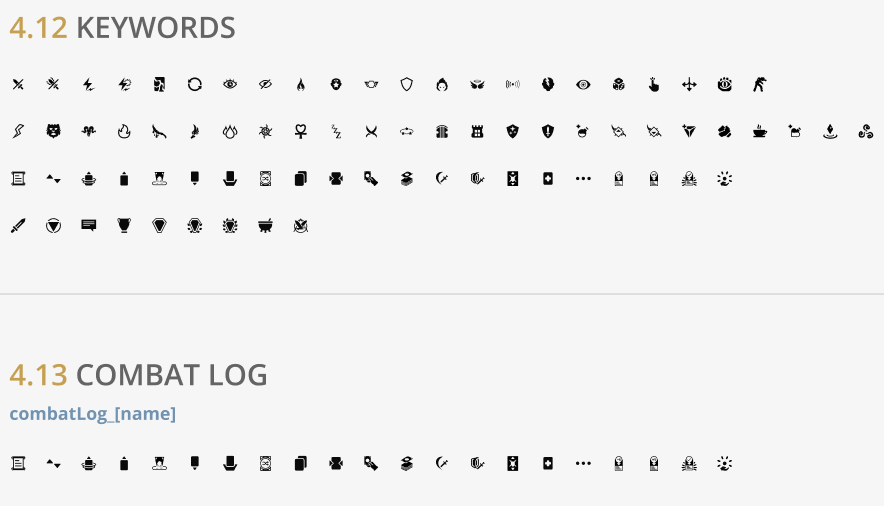
Once we were confident in the results from both internal reviews and player testing, the validated icons were added to the design system and prepared for implementation. The final designs were handed off to engineering with documentation and specifications, allowing the feature to ship with the next game update and meet the release deadline.
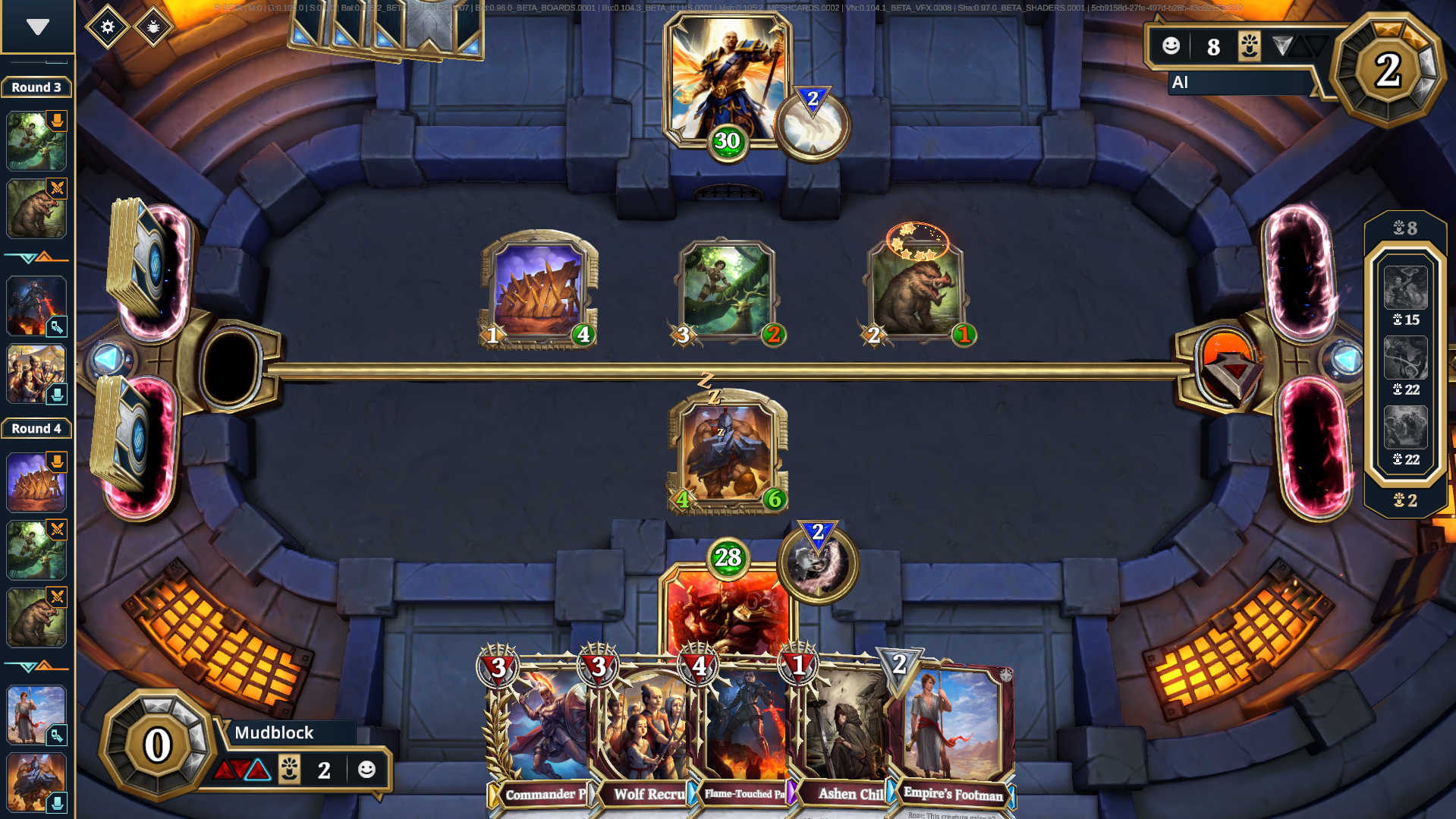
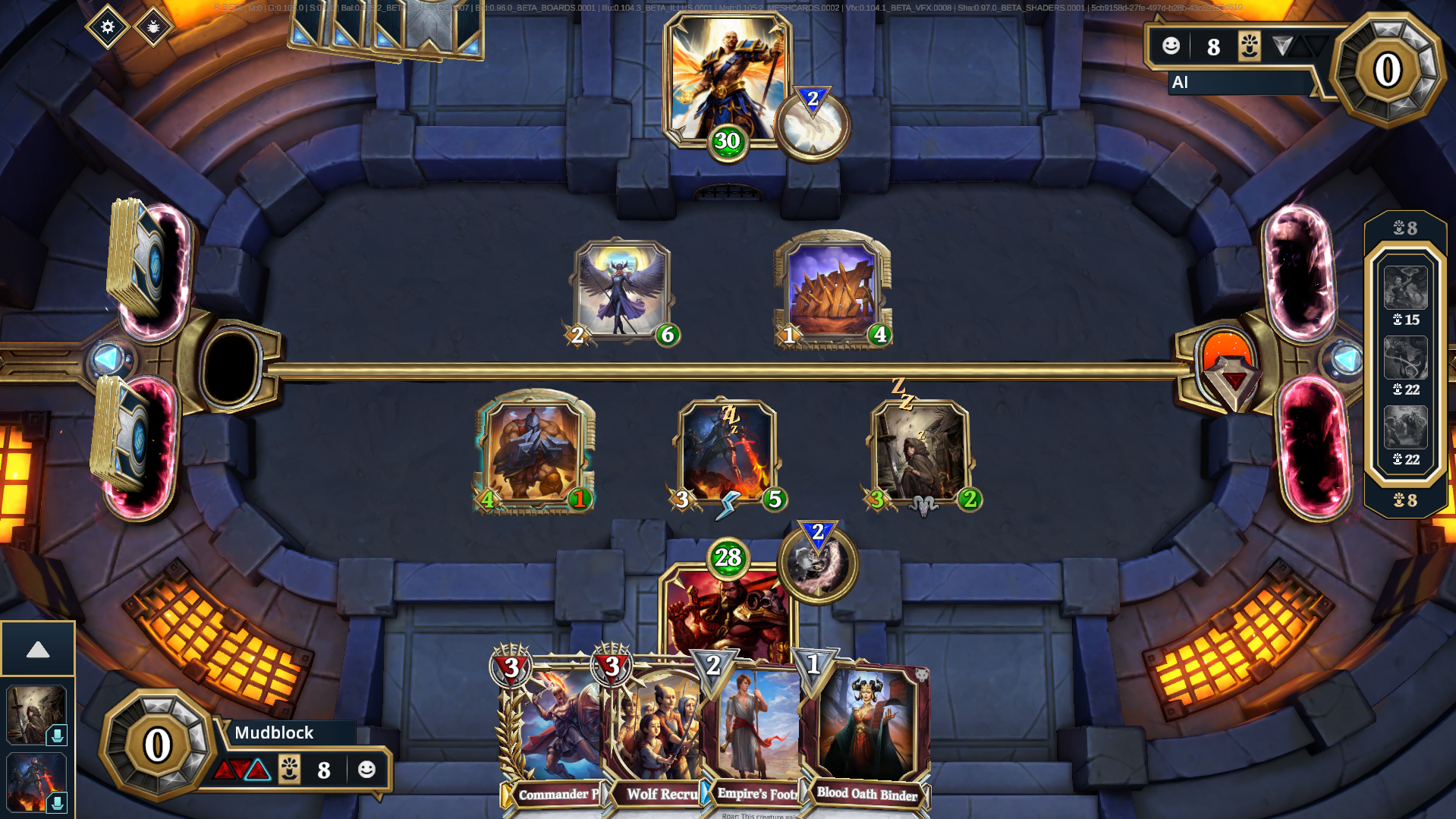
The combat log was well received by players and quickly became a meaningful part of how matches were played. Reviewing feedback from Discord and observing live gameplay and streamer sessions showed that players were actively using the combat log to understand previous turns and inform their next decisions. Over time, icon recognition improved noticeably, with players learning to interpret actions at a glance.
Although relatively small in scope, the feature had an outsized impact on the experience. As a strategy-driven TCG, success often hinges on responding correctly to specific decks and play patterns. The combat log gave players clearer visibility into what had happened, enabling more informed and deliberate decision-making.
The feature continues to be used in-game today and is regularly relied upon by competitive players and top streamers across tournaments. Because the icon system was designed with clear rules around sizing, style, and recognition, it has remained easy to extend. New actions introduced with each expansion can be added without disrupting the overall system, allowing the combat log to evolve alongside the game.
I'm currently looking for freelance or Inhouse opportunities, my inbox is always open or alternatively can be contacted on Linkedin or Artstation. Whether for a potential project or just to say hi, I'll try my best to answer your message!